Intermittent Fasting: A Strategic Tool for Weight Management & Metabolic Health
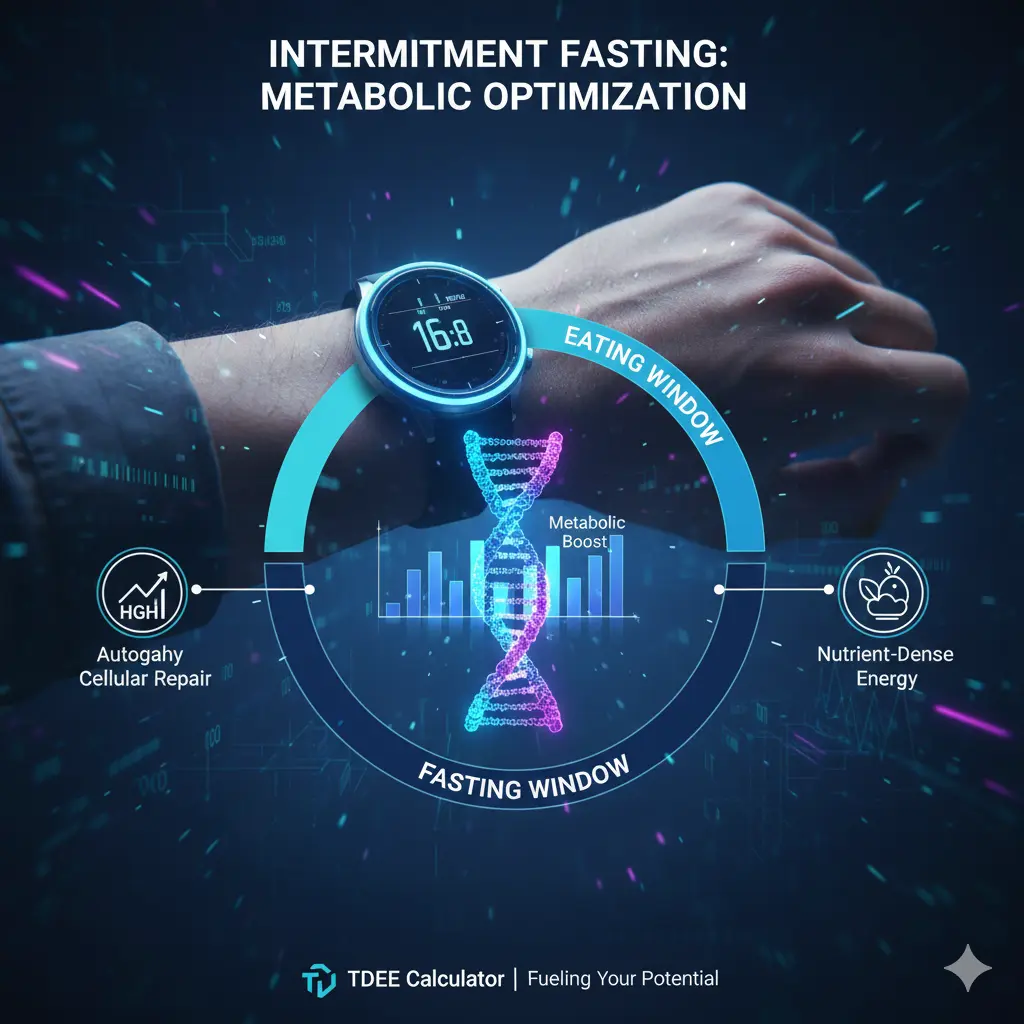
Intermittent Fasting (IF) has emerged as a powerful dietary strategy, not just for weight loss, but also for enhancing metabolic health. Unlike traditional diets that focus on *what* to eat, IF emphasizes *when* to eat, cycling between periods of eating and voluntary fasting. But what exactly is it, and how does it integrate with your Total Daily Energy Expenditure (TDEE) goals?
What is Intermittent Fasting?
Intermittent Fasting isn't a diet in the conventional sense; it's an eating pattern. The most common methods include:
- 16/8 Method: Fasting for 16 hours and having an 8-hour eating window (e.g., eating from 1 PM to 9 PM).
- 5:2 Diet: Eating normally for five days a week and restricting calories to 500-600 on two non-consecutive days.
- Eat-Stop-Eat: A full 24-hour fast, once or twice a week.
During fasting periods, you typically consume no calories, though water, black coffee, and tea are usually allowed.
The Science Behind Intermittent Fasting
IF works on several scientific levels to promote health and weight management:
- Hormone Regulation: Fasting can lower insulin levels, making stored body fat more accessible for energy. It also increases Human Growth Hormone (HGH), which can aid in fat loss and muscle preservation.
- Cellular Repair: When you fast, your body initiates cellular repair processes, including autophagy – where cells remove old, dysfunctional proteins.
- Calorie Reduction: By limiting eating windows, many people naturally consume fewer calories without consciously restricting them, which creates a calorie deficit necessary for weight loss.
- Gene Expression: Fasting can induce beneficial changes in genes and molecules related to longevity and disease protection.
Integrating IF with Your TDEE
For IF to be effective for weight loss, it must still align with your TDEE (Total Daily Energy Expenditure) goals. Even with fasting, consuming more calories than your body burns during your eating window will prevent weight loss.
- Calculate Your TDEE: Start by accurately determining your TDEE. This is your baseline for maintaining weight.
- Create a Deficit: Whether you fast or not, a consistent calorie deficit (eating less than your TDEE) is essential for fat loss. IF primarily helps achieve this deficit by reducing opportunities to eat.
- Nutrient Timing: Focus on nutrient-dense foods during your eating window to ensure you're getting all essential vitamins and minerals, especially adequate protein to preserve muscle mass.
Potential Benefits Beyond Weight Loss
Beyond its effectiveness for weight management, studies suggest IF may offer other health benefits:
- Improved insulin sensitivity
- Reduced inflammation
- Enhanced brain health
- Increased longevity (in animal studies)
Intermittent Fasting is a powerful strategy, but it's not for everyone. It's crucial to listen to your body and consult with a healthcare professional before making significant dietary changes. When combined with an understanding of your TDEE, IF can be a highly effective tool in your journey towards improved health and sustainable weight management.